What we fix
Fiberglass and gel coat, done on site
Most of what we get called out for is cosmetic — the kind of damage that makes a hull look tired or kills resale value. Here is the work we take.
Scratches & dock rash
Rub-rail gouges, piling scuffs and the long scrape down the strake from a bad approach. Filled, faired and re-shot.
Gel coat color matching
Tinted to your hull, not to a chart. Older boats have chalked and shifted, so the match is made against the actual finish.
Spider & stress cracks
Cracks around cleats, hatches and corners. Ground out to sound laminate so they do not telegraph back through.
Gouges & punctures
Impact damage and oyster-bar hits. Laminated back with glass, faired flush, then finished to match.
Osmotic blisters
Spot repair of blistered areas below the waterline — opened, dried, filled and recoated.
Oxidation & cut-and-buff
Chalky, dull gel coat brought back with a compound and polish sequence rather than a coat of wax over the problem.
The process
How a gel coat repair actually goes
Six stages, in order. Anyone who skips straight to the spray gun is handing you a repair that will show a shadow in six months.
Grind & bevel
Cut back to solid laminate and taper the edges so the repair has something to key into.
Laminate
Glass and resin built back in layers where the damage went past the surface.
Fair
Filler applied and blocked flat until the contour matches the panel around it.
Tint & shoot
Gel coat tinted to match your hull, then sprayed slightly high so there is material to sand back flush.
Wet sand
Stepped down through the grits — 400, 800, 1500, 2000 — flattening the spray texture.
Cut & polish
Compound and polish until the repair reads as the same surface as everything around it.
Cure times drive the schedule more than labor does. Humidity and temperature on the coast decide how many of these stages fit into one visit.
Scope
What we take, and what we send elsewhere
We would rather tell you up front than waste your time on a site visit. There is no shop and no drop-off; everything happens at your boat, and we stay on small jobs on purpose.
Yes — we come out for this
- Small to mid-size vessels
- Cosmetic gel coat and finish work
- Localized fiberglass repair and patching
- Deck and hardware-area cracks
- Spot blister repair
- Restoring oxidized finishes
No — that needs a yard
- Major structural or hull replacement
- Stringer, transom or bulkhead rebuilds
- Full-hull re-cores
- Engines, rigging and electrical
- Haul-out and yard storage
- Drop-off work; there is no shop to drop it at
Recent work
One repair, start to finish
Gel coat torn off the hull down to bare glass, with a separate gouge above it. Photographed as the repair went, so you can see what the stages above actually look like on a boat.
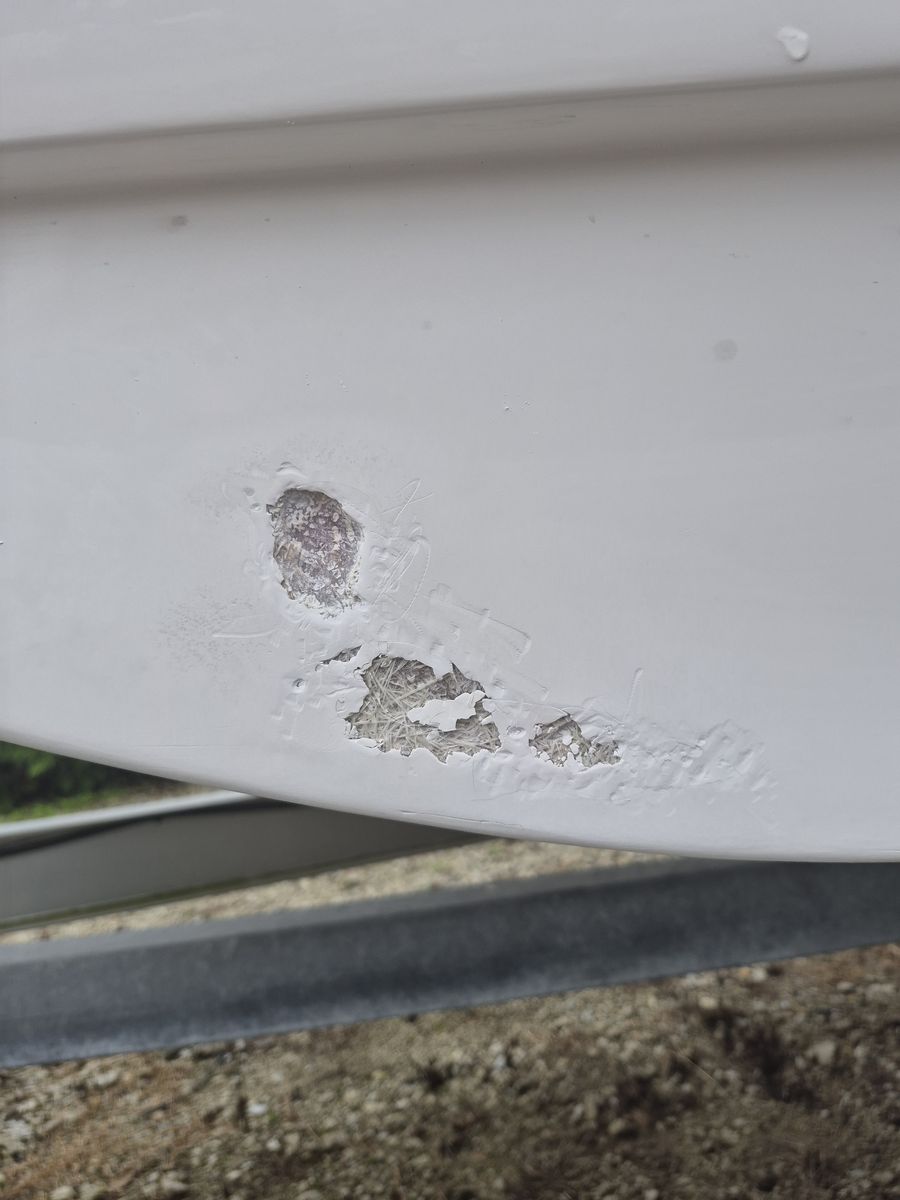
A long tear-out along the hull plus a deeper gouge above it. The gel coat is gone and the edges are lifting.
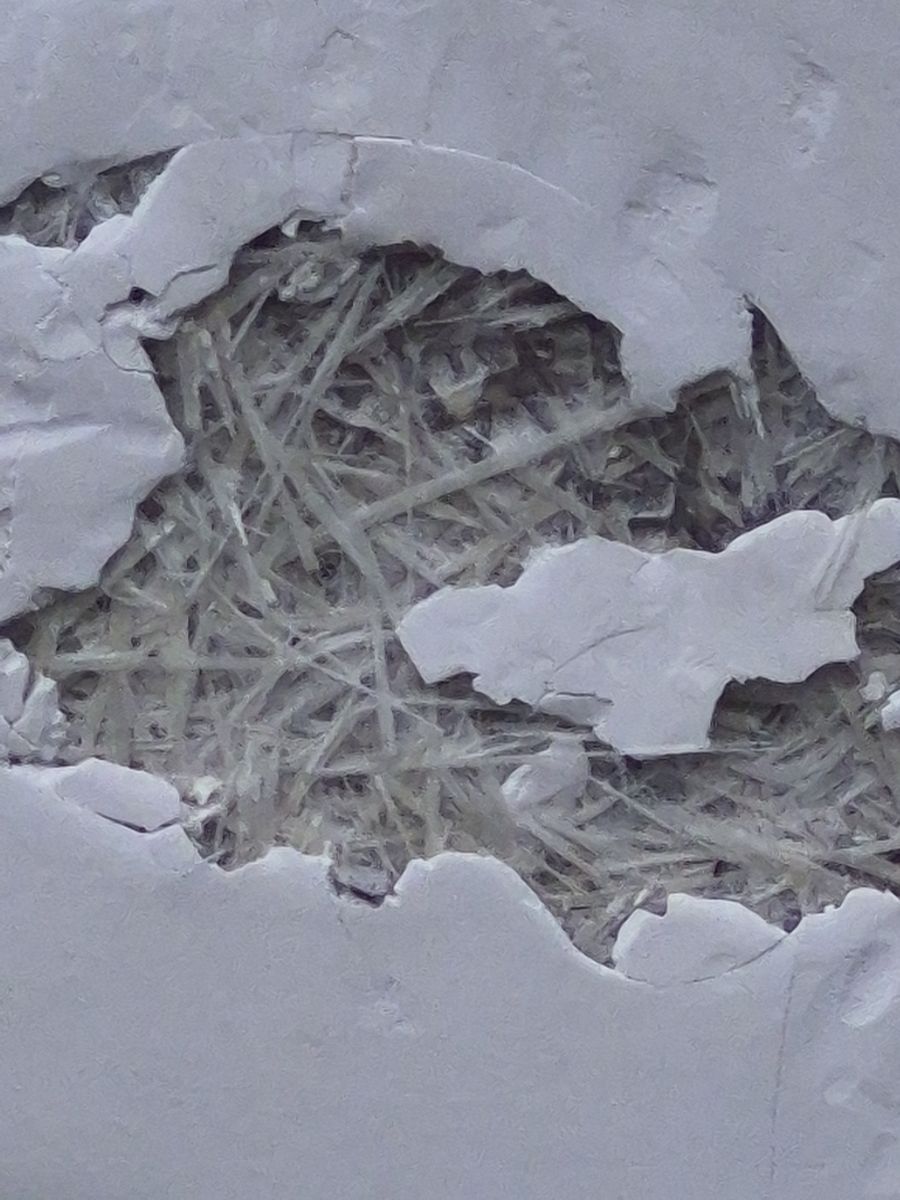
Up close, the chopped strand is bare. Anything filled over loose gel coat like this comes back, so the edges get cut out first.
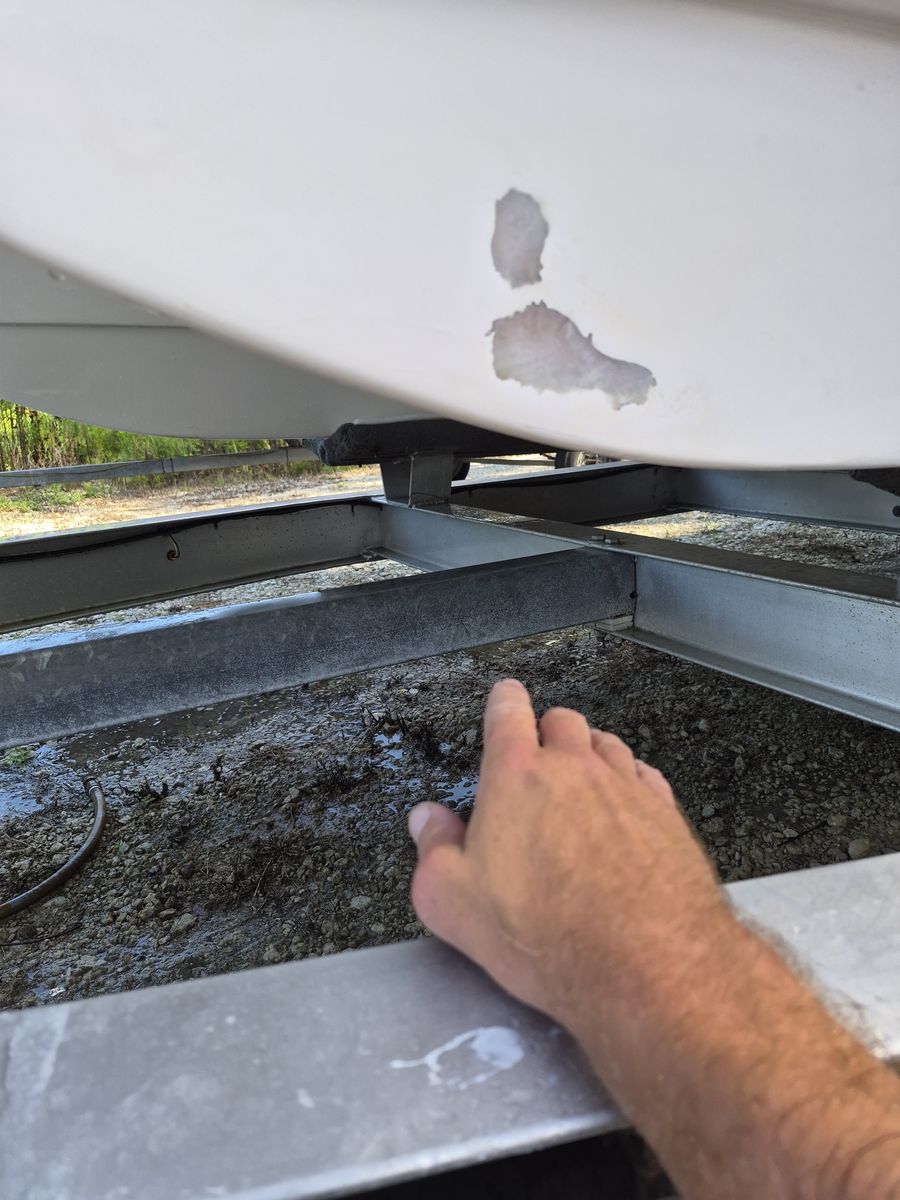
Epoxy thickened with colloidal silica, packed in and blocked back flat until the contour matches the panel around it.
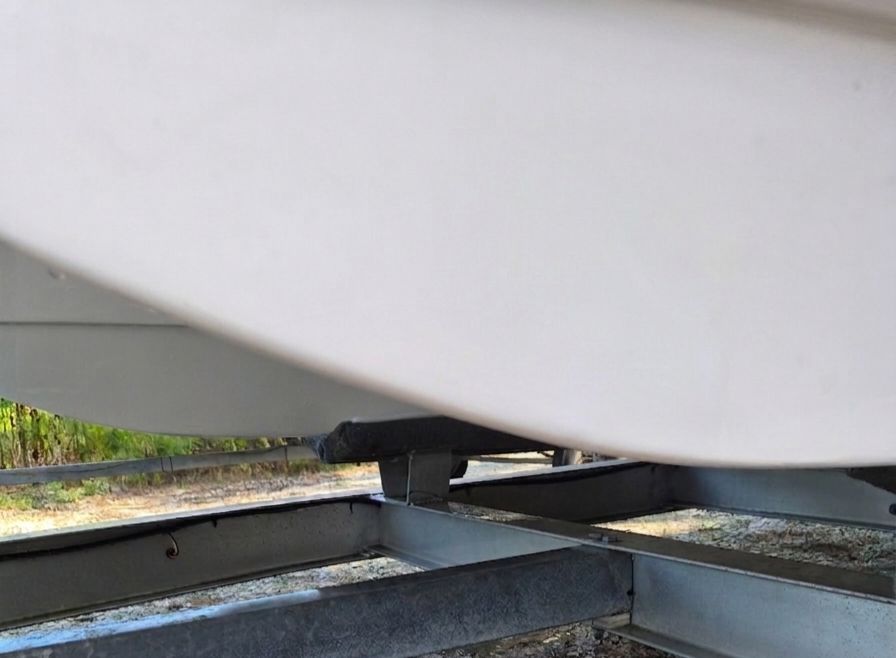
Same stretch of hull with gel coat over the repair. From a few feet back there is nothing left to point at.
Tap any photo to see it full size.
Free estimate
Send photos of the damage
Photos get you a real number faster than a phone description. Shoot the damage straight on, then take one from a few feet back so we can see the panel it sits in. Up to six photos.
Service area
Where we travel
Mobile service up and down the Topsail corridor and inland to Jacksonville. Outside this list, call and ask — it depends on the job.
Questions
Before you call
Do I bring the boat to you?
No, there is no shop. This is a mobile service, so the work happens wherever the boat already is: your slip, your lift, the yard it is stored in or your own driveway. All we need is access to it and somewhere to set up.
Can you match the color of an older, faded hull?
Usually. Gel coat is tinted against the hull as it exists now, not against what the factory sprayed years ago. On heavily chalked finishes the surrounding area often needs a cut and polish so the repair does not sit brighter than everything around it.
Do I need to haul the boat out?
For topside and deck work, no — we can work on the trailer, on the lift or in the slip. Anything below the waterline has to be out of the water and dry before the repair starts.
How long does a repair take?
A single scratch or small chip is often a one-visit job. Anything laminated back with glass needs cure time between stages, so plan on more than one trip. Heat and humidity move that timeline.
What should the photos show?
One close shot of the damage with something for scale — a tape measure or a coin works. Then one from six to eight feet back showing the whole panel. If the damage goes through to the glass, get an angle that shows the depth.
Will the repair be invisible?
On most hulls a properly matched and polished gel coat repair is very hard to pick out. Metallic and dark finishes are the tough ones, and we will tell you before starting if we think a seam will show.
Do you take big structural jobs?
No. Stringers, transoms, re-cores and major hull work belong in a full yard with a lift. We stay on cosmetic and localized repair, which is why turnaround is fast.